Rethinking Australia’s Wine Industry
What if the Australian wine industry’s greatest challenge isn’t the grape, but what we insist on doing with it?
Australia produces extraordinary wine. Yet behind the celebrated vineyards, award-winning winemakers and beautiful cellar doors, the industry faces an uncomfortable reality.
Wine consumption is changing, exports are under pressure, and many growers face difficult commercial decisions.
Perhaps it’s time to ask a different question.
What if grapes could create more than wine?
Australian Wine Industry Challenges: The Numbers Tell a Story
According to Wine Australia’s 2026 National Vintage Report, Australia’s winegrape crush fell to 1.27 million tonnes, the smallest in more than 25 years.
That’s a 19% decline from 2025.
Meanwhile, Australian wine exports declined 7% in value during the year ending June 2026.
These figures reflect an industry undergoing significant adjustment.
However, producing less wine isn’t necessarily the only answer.
What if the opportunity lies in creating something different from the same remarkable grapes?
From Surplus Wine to Australian Craft Spirits
At Conrad Distillery, in Queensland’s Granite Belt, we asked ourselves that question years ago.
Our journey began when bushfires left local vineyards facing another devastating problem: smoke-tainted wine that could no longer reach its intended market.
Rather than seeing waste, we saw possibility.
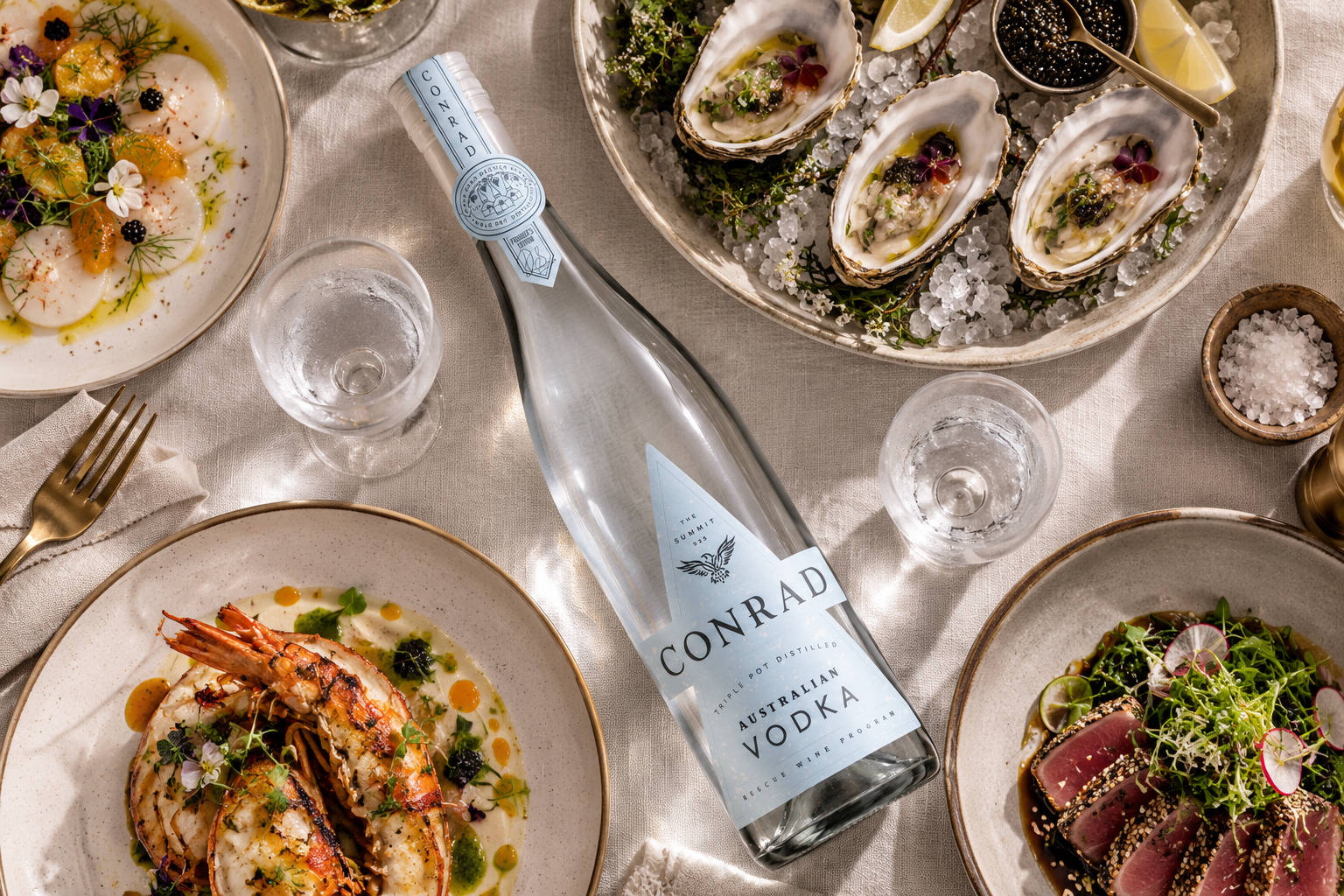
Through our Rescue Wine Program, we began transforming unsuitable and surplus wine into grape-based spirits.
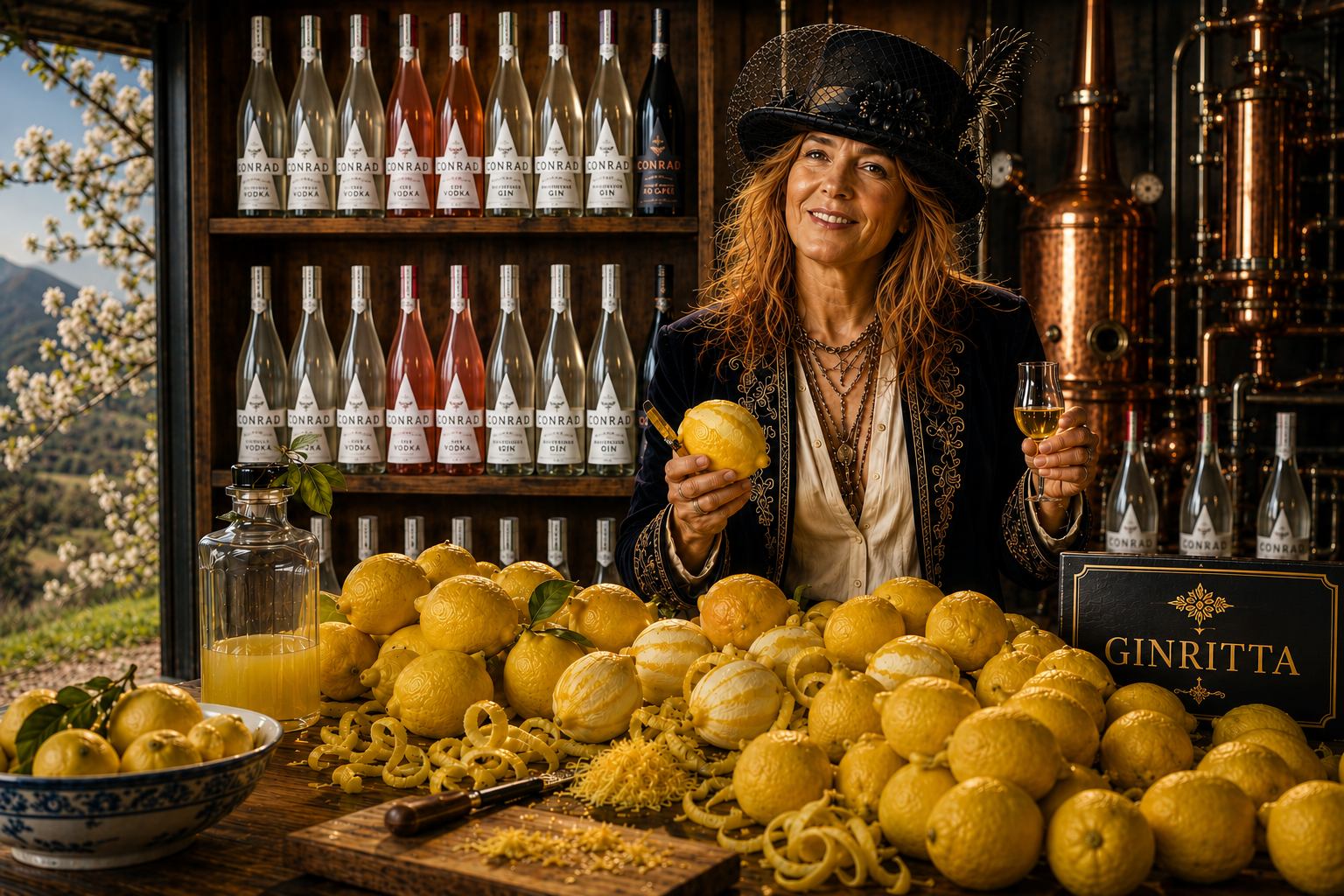
Today, our Australian Vodka begins with rescued wine, which we carefully triple pot distil to create a smooth spirit with distinctive texture and character.
This approach demonstrates something important.
A wine’s commercial journey doesn’t necessarily have to end when its original market disappears.
Not Every Rosé Needs to Be Wine
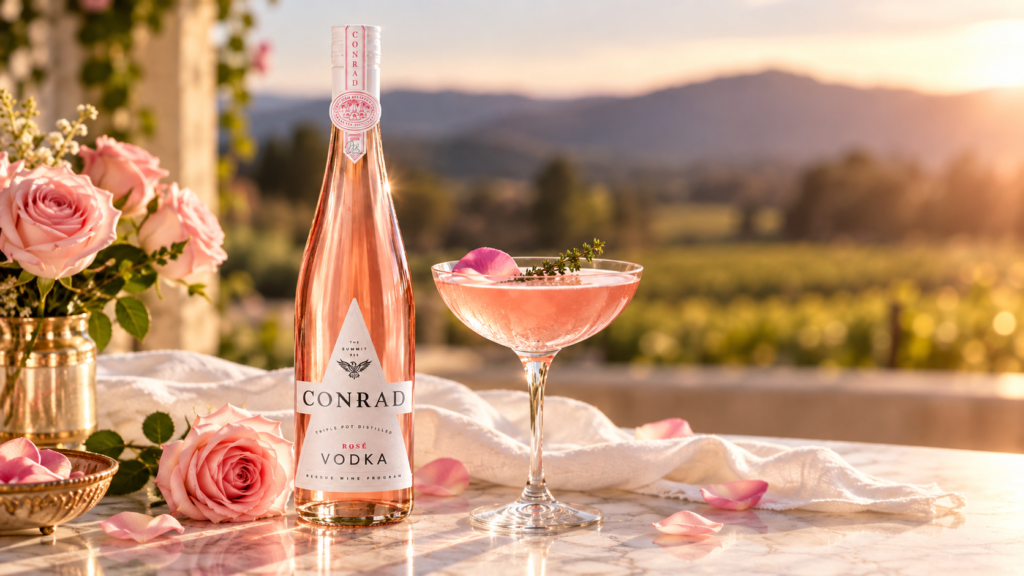
Our Conrad Vodka Rosé offers another example of thinking beyond traditional categories.
Created in collaboration with Ballandean Estate, it combines our grape-based vodka with rosé wine.
The result is a blush-coloured spirit with notes of strawberry, pineapple and hibiscus.
It’s neither a conventional bottle of wine nor an ordinary vodka.
Instead, it creates another way to experience the character of Australian wine.
And importantly, it demonstrates how collaboration between wineries and distilleries can create new products from existing expertise.
Could Distilling Help Australian Wineries Diversify?
Distilling surplus wine isn’t a universal solution.
Australia’s spirits excise, equipment costs, production requirements and market demand all influence commercial viability.
Nevertheless, winery diversification deserves serious consideration.
Potential opportunities include:
Grape-based vodka: Transforming suitable surplus wine into a versatile spirit.
Eau-de-vie: Creating distinctive spirits that express grape origins.
Wine-based liqueurs: Developing new flavour experiences.
Winery-distillery collaborations: Sharing expertise without every vineyard investing in distilling equipment.
New consumer experiences: Introducing visitors to spirits alongside traditional wine tastings.
Each opportunity requires careful financial and technical evaluation.
However, innovation often begins by challenging assumptions.
The Future of Australian Wine May Extend Beyond Wine
Australia has extraordinary vineyards, skilled winemakers and generations of knowledge.
We shouldn’t underestimate those strengths.
But protecting an industry doesn’t always mean preserving every aspect of its traditional business model.
Sometimes, it means recognising new possibilities within existing resources.
At Conrad Distillery, we believe craftsmanship begins with understanding the raw material, respecting its origins and recognising its potential.
Our philosophy is simple.
Born of Wine. Refined by Elevation. Crafted to Inspire.
Perhaps the next chapter of Australia’s wine industry won’t be written entirely in wine.
Perhaps it will emerge through collaboration, diversification and the courage to rethink what’s possible.
Because not every rosé needs to be wine.
Discover the story behind Conrad Distillery or experience our grape-based spirits through a Sip & Discover tasting.