Walk into any bottle shop and you’ll find shelves lined with gins claiming to be perfect for cocktails. Floral gins, citrus gins, contemporary gins, navy strength gins, London Dry gins—the choices can be overwhelming.
As a master distiller at Conrad Distillery, I’m often asked, “What’s the best gin for cocktails?”
The answer surprises people.
There is no single best gin for cocktails.
The right gin depends on the cocktail, the drinker’s palate, and what role the gin needs to play in the glass.
The Foundation of a Good Cocktail Gin
When evaluating whether a gin will work well in cocktails, I look for six key characteristics:
Juniper strength
Citrus brightness
Mouthfeel and texture
Botanical balance
Length of finish
Ability to stand up to mixers
A good cocktail gin must have enough character to remain present when mixed with tonic, vermouth, citrus, bitters, or other ingredients.
If the gin disappears entirely, the cocktail becomes watery and forgettable.
If the gin is too dominant, it overwhelms everything else.
The art lies in balance.
The Biggest Mistake Distillers and Drinkers Make
Juniper is the heart of gin, but there is a fine line between enough and too much.
A gin with excessive juniper can overpower a cocktail to the point where it tastes like you’re drinking pine-scented cleaning products rather than a carefully crafted spirit.
On the opposite end of the spectrum, some modern gins are so delicate that they vanish completely once mixed. Add tonic, citrus, or vermouth and suddenly there’s very little gin character left.
A great cocktail gin finds the middle ground. It contributes flavour, structure, and complexity without dominating the drink.
Different Cocktails Need Different Gins
Different cocktails highlight different aspects of a gin. A Martini, Negroni, or Gin & Tonic each demand different strengths and botanical profiles, which is why many enthusiasts enjoy having several styles on hand.
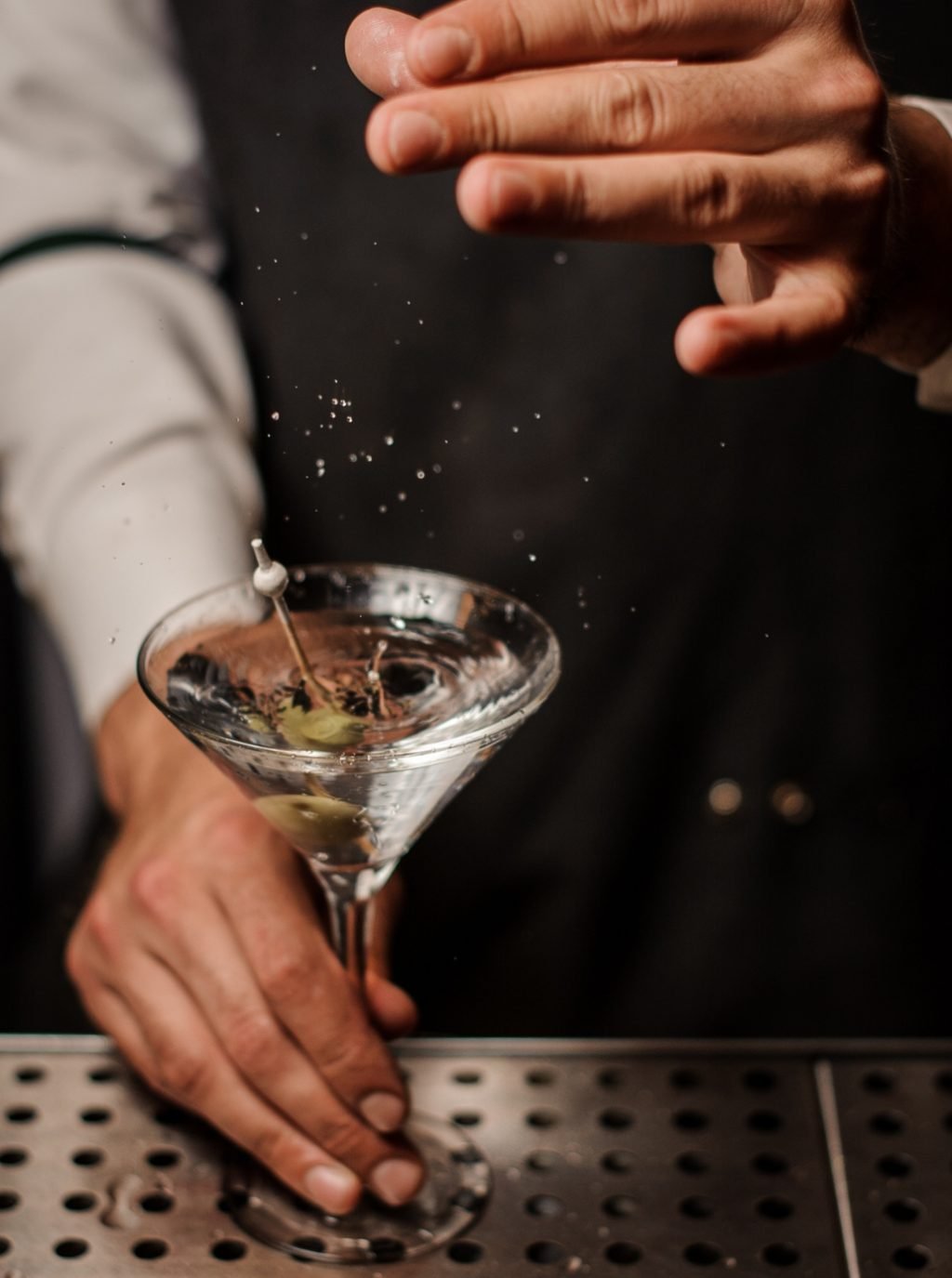
A Martini is one of the purest expressions of gin.
Because the gin is the star of the drink, quality matters enormously. The spirit needs to be smooth, balanced, and structured enough to work alongside the vermouth rather than fight against it.
I generally favour a gin between 40% and 45% ABV for a Martini because it has the strength and backbone to maintain its character while still delivering elegance.
The Gin and Tonic
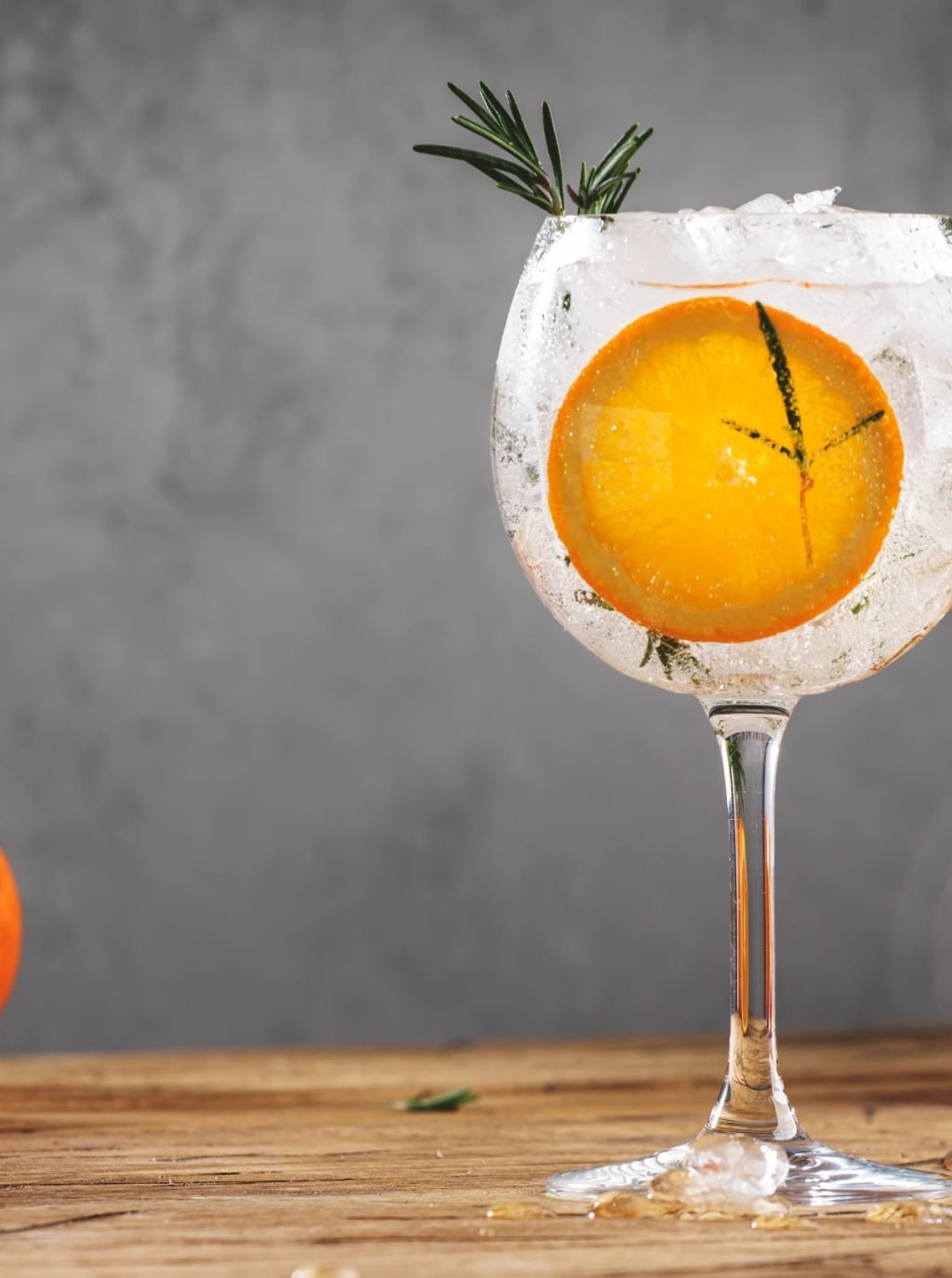
A Gin and Tonic is far more flexible.
Many people focus on finding the perfect gin when they should be focusing on finding the perfect balance between gin and tonic.
The level and style of tonic can be adjusted to complement the gin. A citrus-forward gin may benefit from a different tonic than a juniper-heavy London Dry.
Rather than forcing every gin into the same recipe, adjust the mixer to suit the spirit.
This is one of the reasons our Signature Mediterranean Gin performs so well in a Gin & Tonic. The bright citrus profile, balanced juniper, and Mediterranean botanicals allow the tonic to complement the gin rather than mask it.
The Negroni
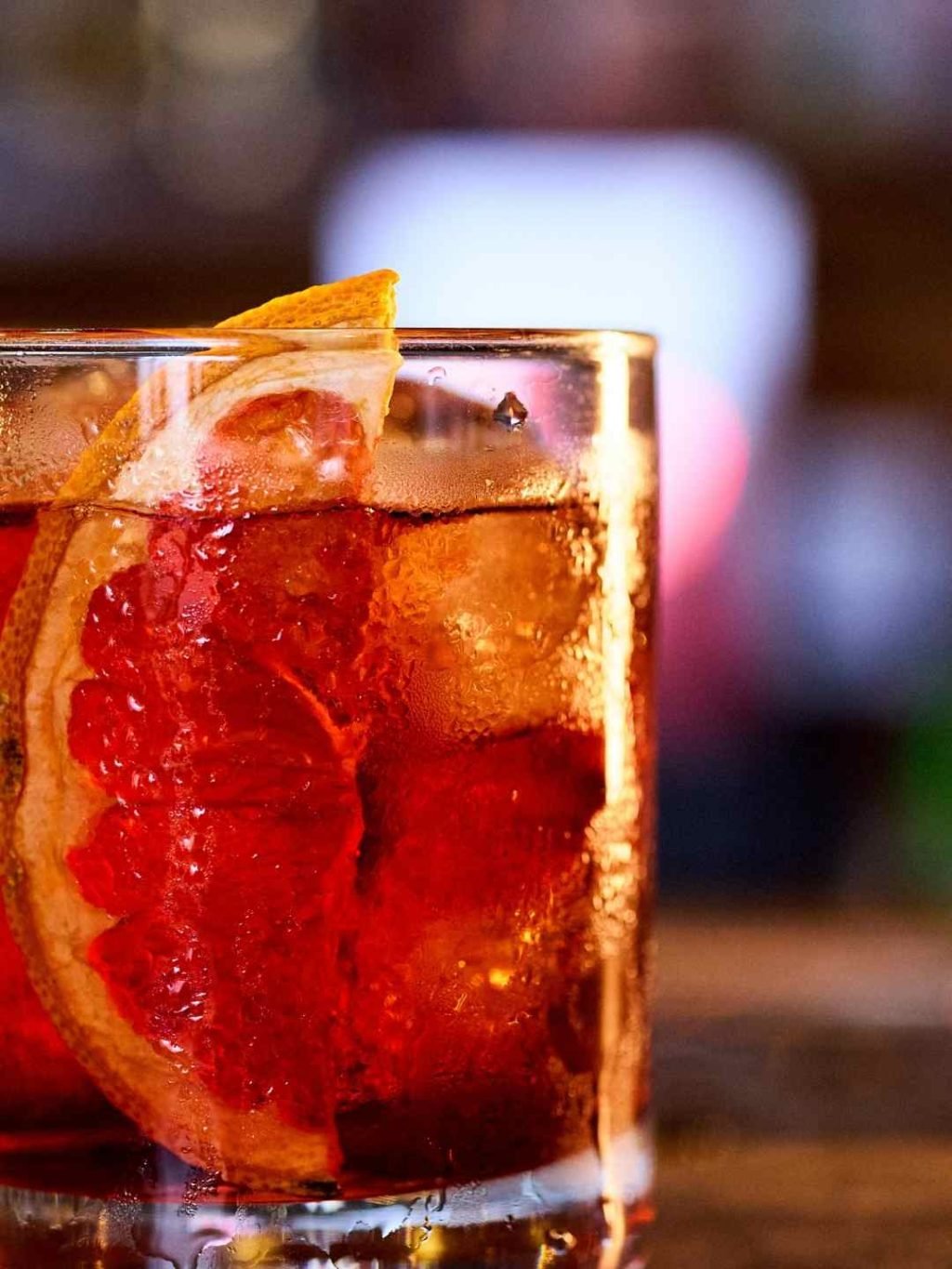
The Negroni is where gin selection becomes critical.
Campari and sweet vermouth are powerful ingredients. If the gin lacks structure, it simply disappears.
A bold, juniper-forward London Dry style gin generally performs exceptionally well because it has enough character to stand up to the bitterness of Campari and the sweetness of vermouth.
One of the most common mistakes I see is using highly floral or cucumber-forward contemporary gins in a Negroni. These delicate flavours often become lost or clash with the cocktail’s bitter profile.
A Distiller’s Twist on the Classic Negroni
One of my favourite variations is replacing vermouth with Sloe Gin.
Most people think of Sloe Gin as a liqueur to be enjoyed on its own, but it can be an exceptional cocktail ingredient when used thoughtfully.
The natural fruit character introduces sweetness while maintaining a strong gin foundation. The result is a beautifully balanced Negroni that retains its bitterness while adding depth, richness, and complexity.
Sometimes innovation isn’t about creating a new cocktail. It’s about making a small change that allows the spirit to shine in a different way.
It’s Personal. There’s No Stereotype.
After serving thousands of guests through our cellar door, I’ve learned that there is no universal gin drinker.
The industry often tries to create stereotypes around age, gender, or experience level, but reality is much more individual.
Some people prefer savoury, herbaceous cocktails.
Others naturally gravitate toward sweeter and fruit-forward drinks.
Some want bold juniper.
Others enjoy softer botanical profiles.
The best cocktail gin is often the one that aligns with the individual’s palate rather than the latest trend.
One interesting change I’ve noticed in recent years is the number of men discovering and embracing gin. Styles such as Mediterranean and Navy Strength gins have helped introduce many whisky and rum drinkers to the category by offering greater structure, complexity, and intensity.
Keep It Simple and Let the Spirit Shine
The best cocktails aren’t always the most complicated.
Too often people become obsessed with elaborate garnishes, rare ingredients, or complicated recipes.
A great cocktail starts with a great spirit.
Whether you’re mixing a classic Martini, a refreshing Gin & Tonic, or experimenting with a Sloe Gin Negroni, the goal remains the same: choose a gin that complements the cocktail rather than fighting against it.
When the gin has balance, texture, botanical harmony, and enough character to hold its place in the glass, the cocktail almost builds itself.
Choose a gin that suits the drink you’re making. Match the style of gin to the flavour profile of the cocktail.
Most importantly, let the spirit shine. Because the goal of a great cocktail isn’t to hide the gin. It’s to showcase it.
Debra Spence is the Founder and Master Distiller of Conrad Distillery, an award-winning Australian distillery dedicated to sustainability, innovation and transforming rescued wines into premium spirits.