

Veteran Entrepreneur of the Year 2026 Finalist
From avionics to distilling, Debra Spence’s journey from RAAF service to entrepreneurship has earned national recognition as a 2026 Veteran Entrepreneur of the Year finalist.
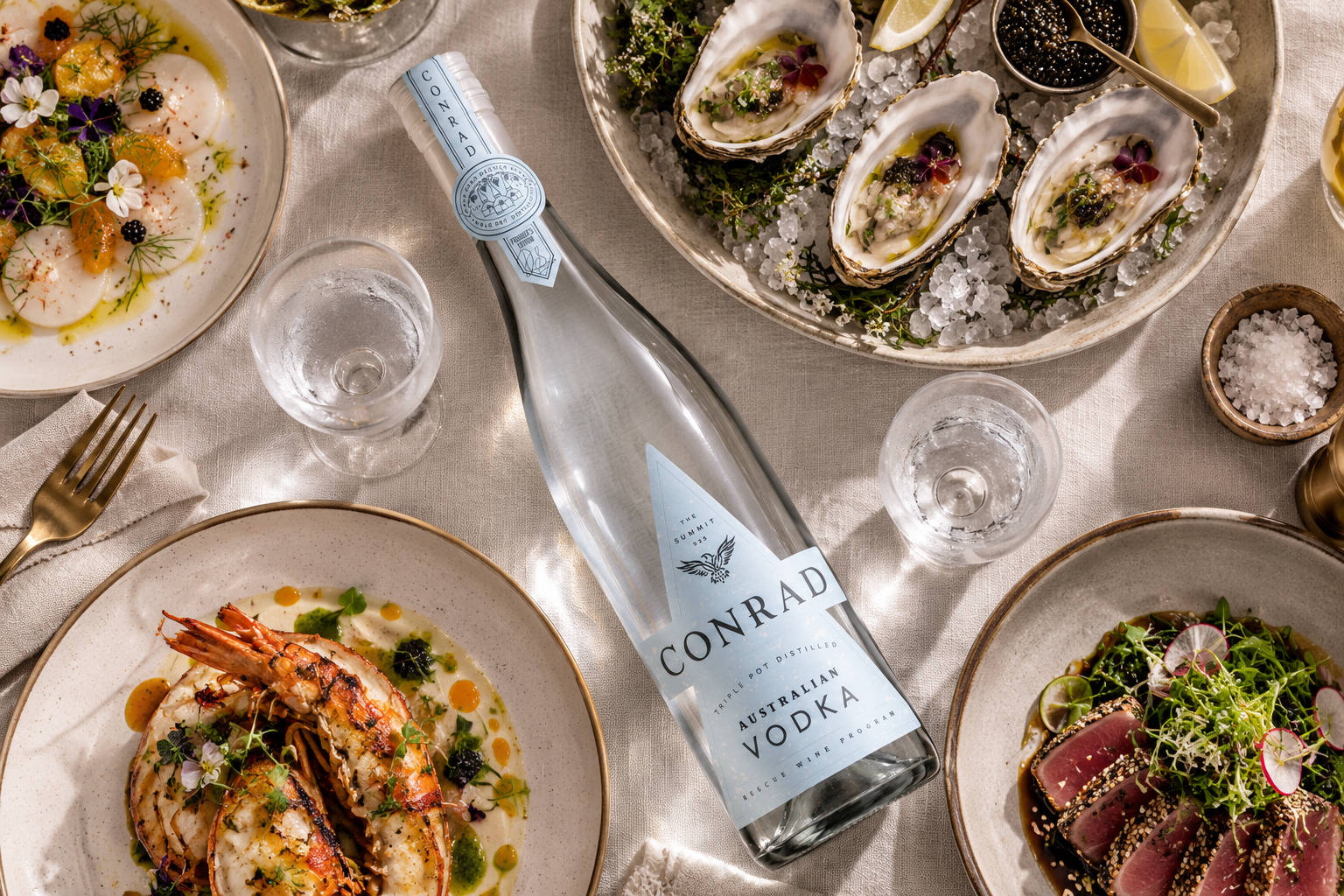
My relationship with vodka changed the moment I started distilling it myself — and what I discovered inside the still changed everything I thought I knew about this spirit.
Before I began distilling, I held the same assumptions most drinkers do: vodka is anonymous, interchangeable, a delivery vehicle for alcohol. It exists to disappear. Then I started making it, and I understood almost immediately how wrong that framing was. The raw material matters. The distillation method matters. The cuts matter. Resting matters. Even serving temperature changes the experience.
Vodka deserves a place at the table — not just behind the bar — and I want to make the case for why.
Vodka became the world’s default mixer spirit, and that success quietly became its biggest liability. When a spirit’s primary job is to disappear beneath orange juice or soda, drinkers stop asking questions about it. Vodka trained an entire generation to expect nothing — and then got criticised for delivering nothing.
Compare that to whisky, gin or tequila. Each category has benefited from drinkers who started asking: where does this come from? How was it made? What does it actually taste like? Those questions created a curiosity that elevated all three into something people actively seek out and discuss.
That same shift is beginning to reach vodka. I’ve watched drinkers who became passionate about single malt whisky or craft gin turn those same questions toward the vodka category — and find genuinely interesting answers. The moment I started treating vodka as a culinary ingredient — thinking about texture, temperature and what happens when you put it alongside food — everything changed. That’s the lens I’d invite any sceptic to try on.
This is the belief doing the most damage to vodka’s reputation: that neutrality equals quality, and that a good distiller’s job is to erase every trace of character from the finished spirit.
If you remove everything that gives a spirit distinction, what are we actually celebrating? The absence of craft?
Vodka made from grapes, wheat, rye or potatoes can have very different textures and subtle flavour characteristics. How a spirit is distilled and filtered leaves real fingerprints in the glass. None of those fingerprints are faults — they are the point. Character in vodka is not a sign that the distiller failed to strip the spirit bare enough. It is evidence that someone made deliberate choices about what to keep, not just what to remove.
The base ingredient shapes vodka in ways most drinkers have never been given the chance to consider:
I had one of the most illuminating vodka experiences of my life at Tin City Distillery in California, tasting a 100% corn vodka — unmistakably shaped by its base ingredient in ways that forced me to reconsider what vodka could express.
At Conrad Distillery, our vodka begins with wine. Through our Rescue Wine Program, we work with wine that may otherwise have gone to waste and give it a second life as the foundation of our spirit. That starting point gives Conrad Vodka a softness and subtle fruit character that grain simply cannot replicate. The base ingredient is not a footnote — it is the beginning of the story.
Two broad philosophies govern how vodka is produced. Continuous column distillation is the industrial standard — efficient and capable of producing an extremely pure spirit. Pot distillation is slower and gives the distiller more opportunities to shape character at every stage: through fermentation, through distillation itself, and through where the cuts are made.
One detail worth knowing: the proportion of copper versus steel in a still matters significantly. Copper reacts with the spirit during distillation and is markedly superior for producing quality spirit — a production decision most consumers never see, but that shows up clearly in the glass.
At Conrad Distillery, we triple pot distil our vodka, make deliberately heavy heart cuts, and allow the finished spirit to rest for 90 days before release. That process is a deliberate rejection of industrial efficiency in favour of something slower and more considered. The result retains texture, softness and character — which is exactly the point. You can read more about why resting changes everything in a finished spirit if you want to understand why that 90-day window matters as much as anything else in the process.
Don’t assume colder is always better. That’s probably the single most useful thing I can tell any vodka drinker right now.
Here is the experiment I’d encourage you to run: pour the same vodka at three different temperatures — straight from the freezer, refrigerated, and cool but not icy. Taste them side by side. Freezer temperature emphasises viscosity and smoothness, but extreme cold suppresses aroma and flavour in ways that can make even a character-driven vodka seem blank. As the spirit warms slightly, more of what’s actually there becomes apparent.
This has direct implications for food pairing. When you’re putting vodka alongside food, temperature is not just a preference — it becomes another ingredient in the experience. A slightly warmer pour will interact with food in a fundamentally different way than a freezer-cold one.
The question should shift from what mixer goes with this vodka? to what food goes with this vodka? That second question opens up something far more interesting.
Chilled vodka alongside oysters or prawns is one of the cleanest, most satisfying pairings I know. The spirit cuts through salinity and brine, resets the palate completely, and makes the next mouthful taste like the first. Smoked salmon works for similar reasons — fat and smoke are both cut and amplified in the same movement.
Try vodka alongside burrata and pay attention to the way the spirit interacts with fat and salt. Or take it through to dessert: vanilla bean panna cotta with berries, where the spirit’s texture and temperature play directly against sweetness and acidity on the plate.
In each case, vodka is doing something few other spirits can do as cleanly: resetting the palate between mouthfuls without overwhelming what it’s paired with. It doesn’t need to shout to be the most interesting thing on the table. For a more specific starting point, grilled prawns with Greek feta or seared lamb rump with tomato and vodka comfit show exactly what vodka at the table can look like.
The curiosity that transformed gin over the past decade, and before that single malt whisky, and more recently craft tequila — that curiosity is now beginning to reach vodka. It hasn’t fully arrived yet, but the early signs are there.
Drinkers increasingly want provenance. They want to know what something is made from, where it came from, who made it and how. Vodka producers with genuine, specific answers to those questions are well positioned for when that curiosity tips into mainstream awareness.
Our Rescue Wine Program is one example of what provenance can look like in practice. Our vodka begins with wine that may otherwise have been wasted — not just a sustainability decision, but a flavour decision and a craft decision. Craft distilleries across Australia are producing vodkas with real identity behind them, and according to Drinkwise Australia, Australians are increasingly interested in how and what they drink — a shift that aligns directly with the kind of considered approach that quality vodka rewards.
Vodka deserves a place at the table in that conversation as much as any other spirit.
If you’ve ever dismissed vodka, try it again — but differently. Find one made from an interesting raw material. Pour it neat. Run the three-temperature test. Then put some food beside it.
If you want to understand the production decisions behind Conrad Vodka — the wine base, the triple pot distillation, the 90-day rest — the full story is on the Conrad Distillery blog.
Vodka doesn’t need to be the loudest voice at the table to deserve a seat at it.
From avionics to distilling, Debra Spence’s journey from RAAF service to entrepreneurship has earned national recognition as a 2026 Veteran Entrepreneur of the Year finalist.
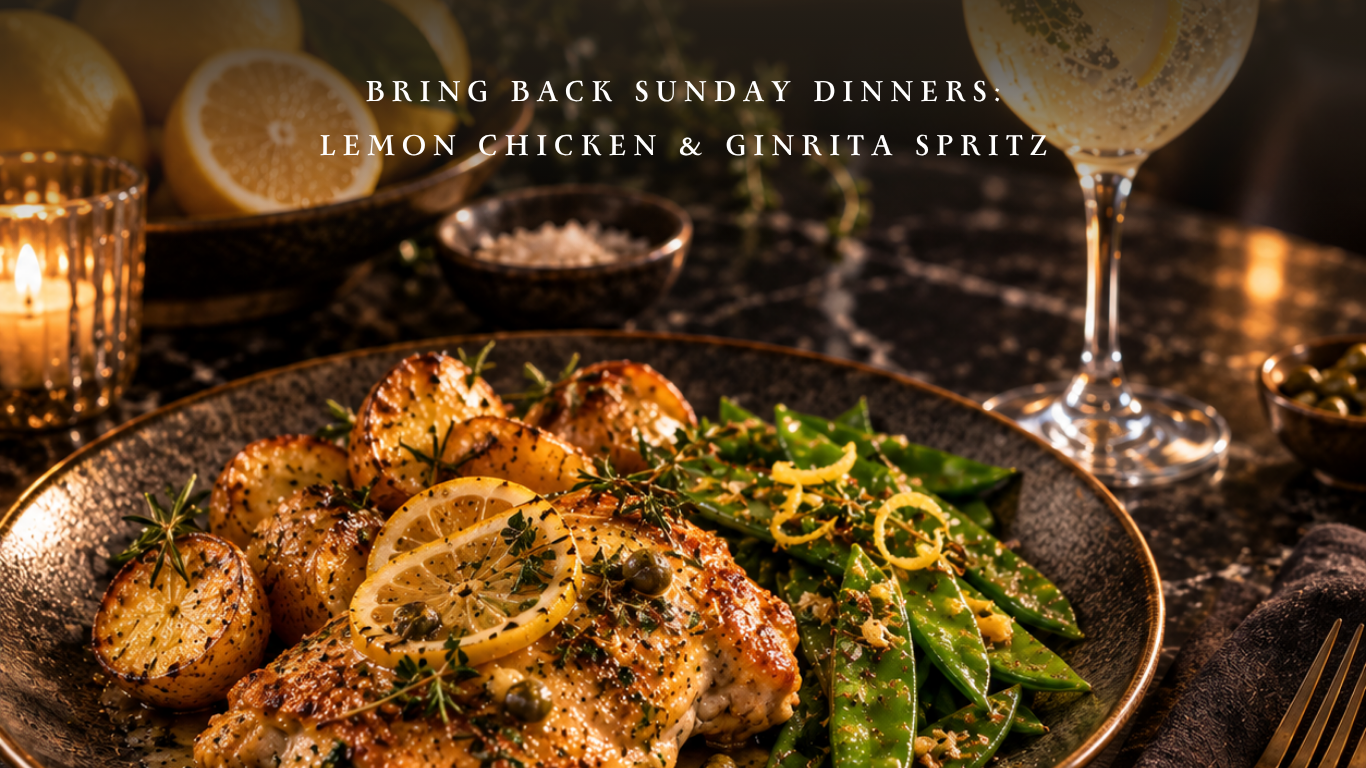
Bring back Sunday dinners with this easy lemon chicken, snow peas & roast potatoes recipe — paired perfectly with Conrad’s Ginrita Spritz. Get the full guide.