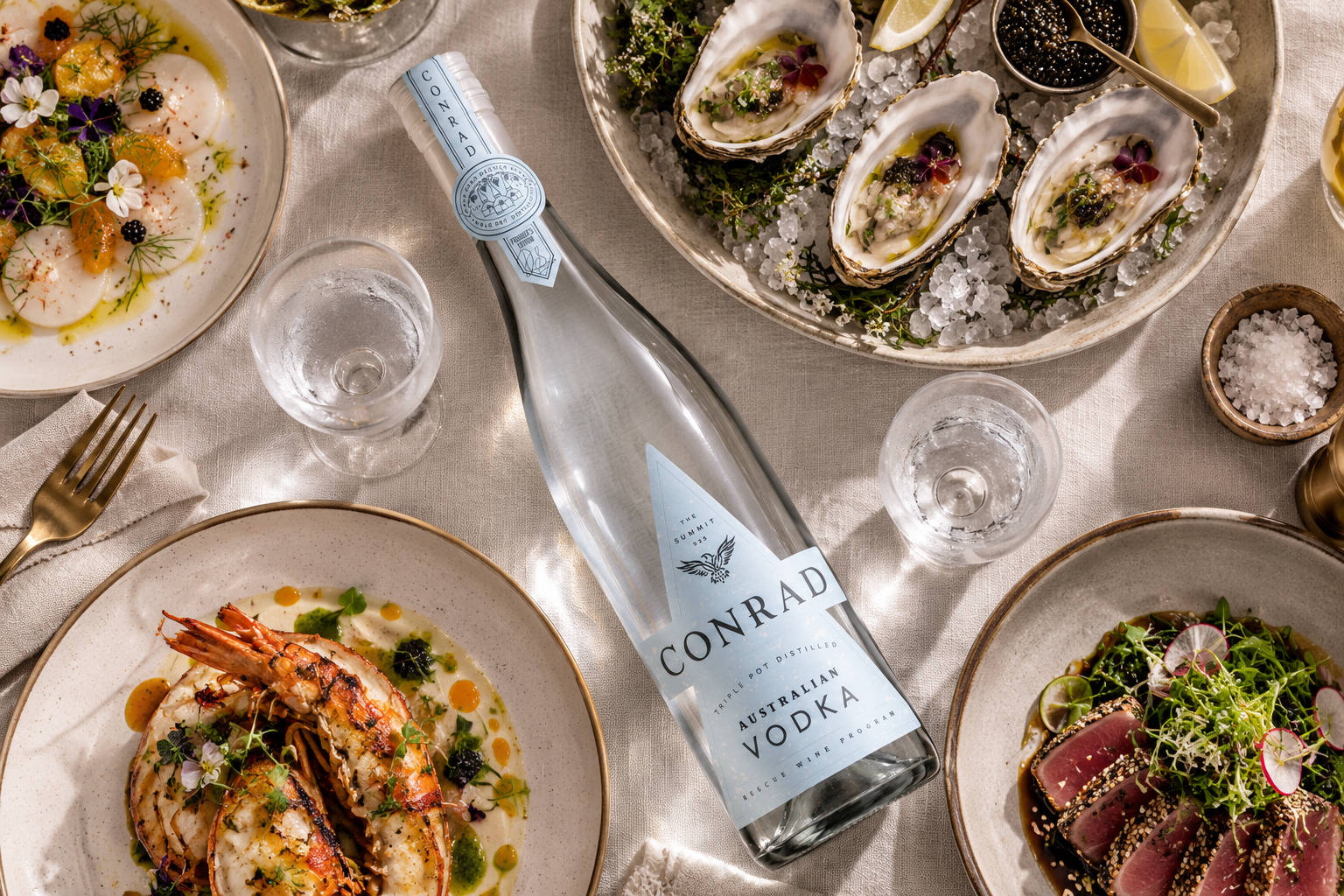
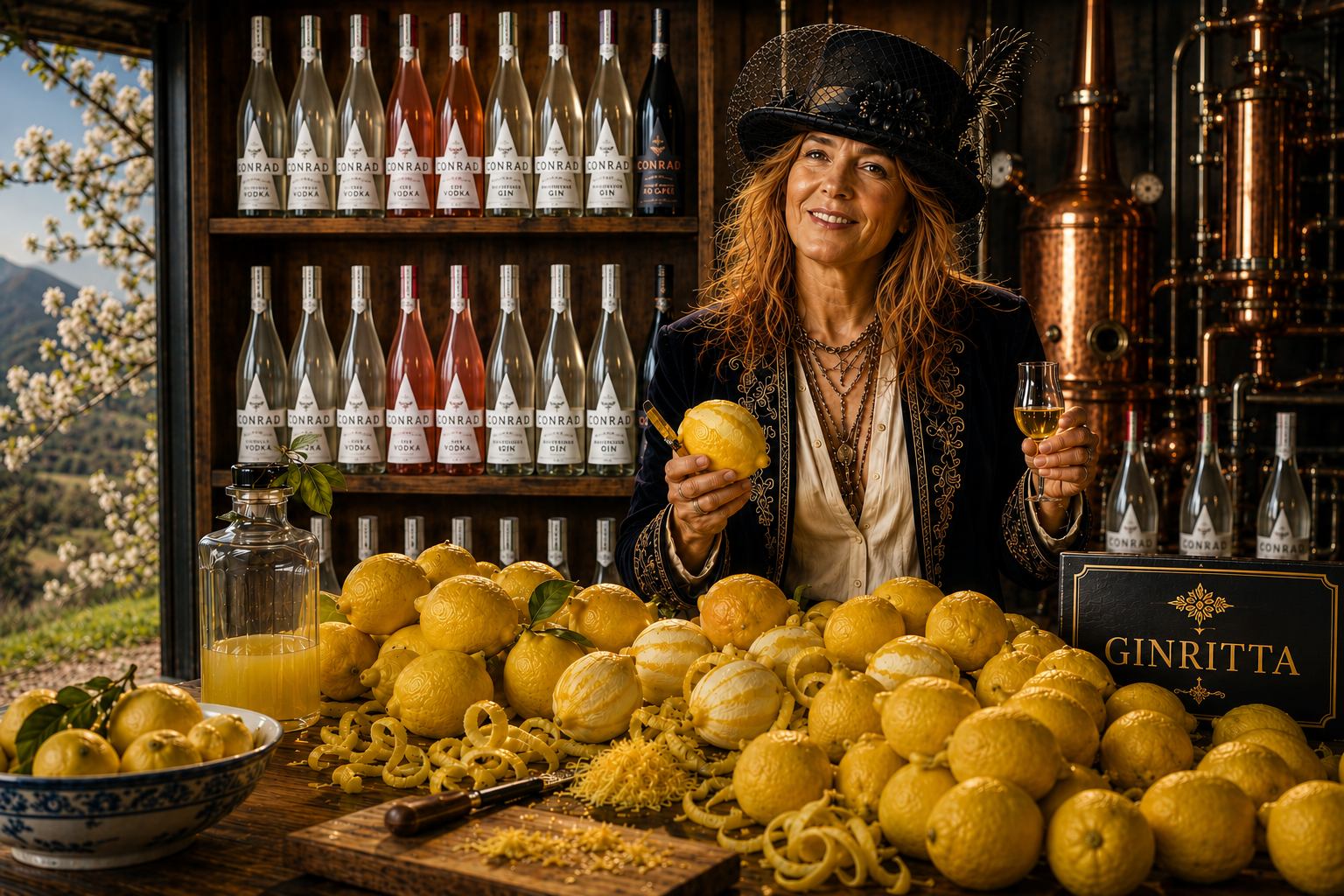
At Conrad Distillery, we’ve deliberately chosen to employ triple pot distillation, a technique synonymous with the esteemed tradition of Irish whiskey production, versus having three or more chambers within the Stil. While having three chambers may technically qualify as triple distilled, there’s a noticeable difference in the quality of the final product. The Triple Pot Distillation method exemplifies our commitment to quality and craftsmanship.
From a scientific perspective, distillation is a volatility-driven separation process involving ethanol, water, and a complex matrix of congeners. These congeners—including esters, aldehydes, higher alcohols, and organic acids—are responsible for both the desirable aromatic complexity and the undesirable harshness within a spirit. The objective is not their elimination, but their controlled selection and balance.
Triple Pot distillation provides a controlled, iterative approach to this refinement.
Volatility and Fractional Separation
Each distillation run allows for more accurate “cuts” between:
- Heads: Containing low-boiling, often harsh or toxic compounds (e.g., methanol, acetaldehyde)
- Hearts: The desired ethanol-rich fraction with balanced congeners
- Tails: Higher-boiling compounds contributing heaviness or bitterness
In a single distillation, these separations are broader and less precise. By contrast, Triple Pot Distillation enables progressive narrowing of these fractions, improving compositional control.
First Distillation: Bulk Separation
The initial distillation primarily separates ethanol from water and non-volatile solids in the wine. Despite removing approximately 2.5 litres of impurities, the distillate retains a wide spectrum of congeners, resulting in a spirit that is structurally intact but organoleptically coarse. This phase establishes the baseline composition from which refinement proceeds.
Second Distillation: Reduction and Balance
The second distillation introduces a higher degree of selectivity. Undesirable volatile compounds are further reduced through more precise cut points, removing a further 1liter of impurities. This stage is critical in moderating harshness and establishing equilibrium between aromatic complexity and structural smoothness.
Third Distillation: Refinement and Textural Integration
The third distillation represents the most significant advancement in quality. At this stage, the distiller achieves fine control which affect viscosity, volatility, and mouthfeel, contributing to a smoother sensory perception.
The cumulative effect of Triple Pot Distillation is a spirit with:
- Enhanced purity: Reduced over 95% of undesirable volatile compounds
- Flavour precision: Controlled retention of desirable esters and aromatic compounds
- Improved mouthfeel: Smoother texture due to refined ethanol-water structuring
- Reduced burn: Lower levels of irritant congeners contributing to harshness
Process Integrity vs. Multi-Chamber Systems
It is important to distinguish True Triple Pot Distillation from multi-chamber still systems. While multi-chamber stills may simulate multiple distillation stages within a single pass, they do not replicate the same level of operator control over cut points and fraction separation. Discrete distillation runs allow for recalibration at each stage, ensuring that decisions are based on real-time sensory and analytical evaluation rather than fixed mechanical design.
Strategic Value in Premium Spirit Production
From a production perspective, Triple Pot Distillation is resource intensive. It requires additional energy, time, and operational precision, while reducing overall yield. These constraints translate directly into Quality.
Conclusion
Pursuit of Excellence: Triple pot distillation ensures a level of smoothness and purity that distinguishes our spirits. With each distillation pass, impurities are meticulously removed, resulting in a superior final product that embodies Conrad’s dedication to excellence.
Flavour Precision: This method allows us to concentrate desired flavours while eliminating harsh elements, enabling Conrad to craft spirits with nuanced and sophisticated flavour profiles that captivate the senses.
Distinctive Style: This commitment to traditional distillation methods aligns with a growing consumer preference for authenticity, provenance, and demonstrable quality. Triple pot distillation produces a lighter, more refined spirit profile, distinguishing Conrad within an increasingly competitive market. The resulting spirits exhibit controlled aromatic complexity and structural balance, appealing to discerning consumers who value precision, elegance, and consistency in premium spirits.
Upholding Craftsmanship: We take pride in our family connection to Ireland and the artistry involved in spirit production. Through triple pot distillation, we continue to uphold and preserve this cherished tradition, ensuring that every bottle bears the hallmark of our dedication to superior craftsmanship.